






Constantine the Philosopher University in Nitra
and
Slovak University of Technology in Bratislava
are delighted to invite you to our international conference
EXCHANGE OF LANGUAGE EDUCATION PRACTICE AMONG EUROPEAN TEACHERS
Date: APRIL 27 – 28, 2017
Venue: Faculty of Education, Constantine the Philosopher University in Nitra, Slovakia
(https://www.ukf.sk/fakulty/pedagogicka-fakulta)
Department of Language Pedagogy and Intercultural Studies
(http://www.kajk.pf.ukf.sk/)
as an outcome of Erasmus+ Strategic Partnerships (Key Action 2) - Project number: 2015-1-SK01-KA201-008937 TRANSNATIONAL EXCHANGE OF GOOD CLIL PRACTICE AMONG EUROPEAN EDUCATIONAL INSTITUTIONS
in cooperation with project partners from
 Latvia , Daugavpils pilsetas Izglitibas parvalde in Daugavpils
 Lithuania , Vilnius Jonas Basanavičius pre-gymnasium
 Sweden , Alströmergymnasiet, in Alingsås
 Italy , Liceo Statale Alessandro Manzoni in Caserta
The conference:
- aims at bringing together teachers and educational practitioners, scientists, researchers, from different countries who are willing to share their studies, teaching experience and perception in the field of CLIL and language teaching and learning,
- provides PRACTICAL WORKSHOPS FROM LANGUAGE TEACHING and LEARNING or CLIL PRACTICE AIMED FOR TEACHERS at PRIMARY, SECONDARY, TERTIARY LEVEL OF EDUCATION,
- provides opportunities to publish scientific or professional papers in the reviewed conference proceedings.
There are the three main conference sections:
- Language teaching and learning/CLIL at primary level of education
- Language teaching and learning/CLIL at secondary level of education
- Language teaching and learning/CLIL at tertiary level of education
Deadlines:
On-line registration for the participation in the conference is open from 15.1.2017 - 31.03.2017 HERE. |
Payment
|
FINAL PROGRAM
THURSDAY, 27 APRIL 2017 - ROOM D-2 (Ground Floor, Faculty of Education)
| 8:00 - 9:00 | Registration |
| 9:00 – 9:45 |
Opening speech Gabriela Miššíková (vice-rector), Dagmar Cagáňová (vice-dean) |
| 9:45 - 10:15 |
CLISS – a longitudinal research project on CLIL in Sweden Eva Olsson (Sweden) |
|
10:15 – 10:45 |
CLIL at Tertiary Level: Benefits and Perspectives of Integrated CLIL Modules Asta Statkeviciene (Lithuania) |
| 10:45 - 11:15 | Coffee break |
| 11:15 – 11:45 |
Overview of CLIL Development in Latvia: sharing personal experience of CLIL Practice in Daugavpils Ilona Ustinova (Latvia) |
| 11:45 - 12:15 |
Transnational Exchange of Good CLIL Practice Among European Educational Institutions Jana Luprichová (Slovakia) |
| 12:15 – 12:45 | Comments, Questions, Discussions |
| 13:00 – 14:00 | Lunch |
Thursday Afternoon Program
Practical Workshops (work in Sections at the Department of Language Pedagogy and Intercultural Studies – KLIS)
| Room - CLIL | Primary CLIL (room 221) | Secondary CLIL (room 219) |
| 14:00 – 14:30 |
Story-Based CLIL Silvia Doláková (Czech Republic) |
CLIL and Augmented Reality for a Debate – social networking: the good and the bad and the ugly Patrizia Russo (Italy) |
| 14:30 – 15:00 |
CLIL at Primary Level in Moravia – Silesian Region Slavomíra Klimszová (Czech Republic) |
|
| 15:00 - 15:30 |
L´union Européenne: une oeuvre inachevée. Comment concevoir et adapter un matériel approprié pour une leçon EMILE Arianna Quarantotto (Italy) |
Hygiene and Contamination Eva-Lena Andersson, Roland Jakobsson (Sweden) |
| 15:30 - 16:00 |
CLIL and Slovak History Michal Bodorík (Slovakia) |
Assessment and Evaluation in CLIL Approach Lessons Emma Abbate (Italy) |
FRIDAY, 28 April 2017 - Department of Music
| 9:00 – 10:00 | Registration |
| 10:00 – 11:30 |
Using the 3 Dimensions of Content to Structure a CLIL Sequence PHIL BALL (Spain) |
| 11:30 – 11:45 | Questions and Discussions |
| 11:45 – 12:15 |
How to Design and Adapt Suitable Material for CLIL Lessons – use of simple and open web tools for e-CLIL Emma Abbatte (Italy) |
| 12:15 – 12:45 |
Final Comments and Farewell |
| 13:00 – 14:00 | Lunch |
Scientific Board
International researchers and educational practitioners
Phil Ball, BA, MA – a teacher, writer, expert on CLIL, Federation of Basques Schools, San Sebastián, Spain
Doc. Svetlana Hanušová, PhD – Head of the Department of English Language and Literature, Masaryk University in Brno, Czech Republic
Asta Statkeviciene - Vilnius University, Institute of Foreign Languages, Lithuania
Liss Kerstin Sylvén - Department of Education and Special Education, University of Goteborg, Sweden
Eva Olsson, PhD - Department of Education and Special Education, University of Goteborg, Sweden
dott. Emma Abbate - Liceo Manzoni Caserta, Italy
Academic members from Slovak universities
Prof. PhDr. Gabriela Miššíková, PhD - Vice-rector for International Relations, Constantine the Philosopher University in Nitra
Prof. PhDr. Eva Szórádová, CSc. - Dean, Faculty of Education, Constantine the Philosopher University in Nitra, Slovakia
Prof. PhDr. Eva Malá, CSc. - Department of Language Pedagogy and Intercultural Studies, Faculty of Education, Constantine the Philosopher University in Nitra
Doc. Dagmar Cagáňová, PhD - Vice-Dean for International Projects, Slovak University of Technology in Bratislava, Slovakia
Doc. PaedDr. Zdena Kráľová, PhD - Department of Language Pedagogy and Intercultural Studies, Faculty of Education, Constantine the Philosopher University in Nitra, Slovakia
Doc. PhDr.Katerina Gajdáčová Veselá, PhD - Department of Language Pedagogy and Intercultural Studies, Faculty of Education, Constantine the Philosopher University in Nitra, Slovakia
Doc. PhDr. Božena Horváthová, PhD - Department of Language Pedagogy and Intercultural Studies, Faculty of Education, Constantine the Philosopher University in Nitra, Slovakia
Mgr. Ľudmila Hurajová, PhD - Slovak University of Technology in Bratislava, Slovakia
Mgr. Gabriela Chmelíková, PhD - Slovak University of Technology in Bratislava, Slovakia
Mgr. Elena Kováčiková, PhD - Department of Language Pedagogy and Intercultural Studies, Faculty of Education, Constantine the Philosopher University in Nitra, Slovakia
Mgr. Jana Luprichová, PhD - Department of Life-long Learning, Faculty of Education, Constantine the Philosopher University in Nitra, Slovakia
Mgr. Eva Reid, PhD - Department of Language Pedagogy and Intercultural Studies, Faculty of Education, Constantine the Philosopher University in Nitra, Slovakia
Mgr. Zuzana Tabačková, PhD - Department of Language Pedagogy and Intercultural Studies, Faculty of Education, Constantine the Philosopher University in Nitra, Slovakia
Mgr. Ivana Žemberová, PhD - Department of Language Pedagogy and Intercultural Studies, Faculty of Education, Constantine the Philosopher University in Nitra, Slovakia
Organizational Board:
Bc. Matúš Beňadik
Mgr. Juraj Datko, PhD
Mgr. Joanna Dworak
Mgr. Elwira Lewandowska
Bc. Terézia Petrovičová
Mgr. Veronika Ságová
Mgr. Daniela Sorádová
Mgr. Zuzana Šimková
Mgr. Gabriela Tanistráková
Proceedings Reviewers:
Doc. Božena Horváthová, PhD
Mgr. Gabriela Chmelíková, PhD
Mgr. Eva Reid, PhD
*the conference is supported by the Erasmus+ Programme of the European Commission
- Details
- Written by Lukas
Kick-off meeting in Vilnius, Lithuania
Kick-off meeting in Vilnius, Lithuania
14 – 16 October, 2015
The main purpose of the meeting was to create a common working environment within the duration of the project. The meeting’s objectives included getting to know each other, a session with presentations of each institution, time management and participation on the CLIL conference “Focus on CLIL – Lithuania 2015”.
The meeting gave an overview on the dates of the following transnational meetings, using a web platform www.kajk.pf.ukf.sk/clil-bank/, financial procedure of the project and CLIL teacher training.
The project partners discussed the forms of all transnational meetings ahead, differences in the project payment systems in particular countries, the contract issues, the process of observing CLIL lessons during the project lifetime, practical and technical coordination of the web platform, active involvement in updating information on project’s website, dissemination and evaluation, development of Modular e-training course and lesson plan template. Regarding the project’s website, Ms Hurajová presented the design of the future project’s website, its layout and design and asked partners for delivering basic information about each partner’s institution with an aim to upload it there.
The partners observed two lessons in Lithuanian school – Music in French and English in Primary Level. The main objective was to review both lessons from CLIL point of view.
Staying in Vilnius was brought to a conclusion with participation on the CLIL conference. Partners with less or none CLIL experience had an opportunity for the first time got familiar with CLIL aims and to see CLIL lessons in practice.
Jana Luprichová - the coordinator
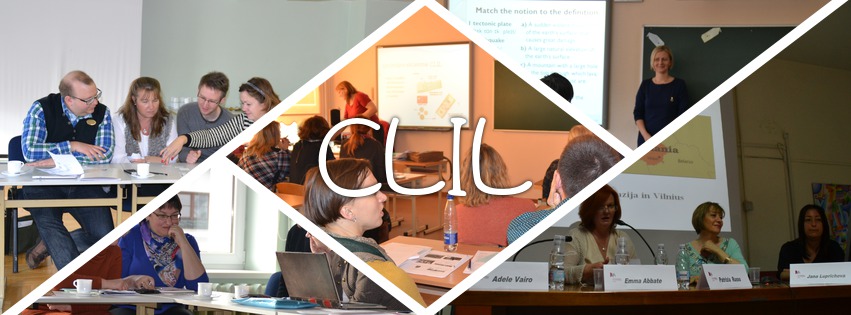
Meeting in Daugavpils, Latvia
Project meeting in Daugavpils, Latvia
1 - 5 February 2016
The meeting started with good news - a new partner has been chosen and accepted by the National Agency (a former partner from Spain had decided to withdraw the project team due to unexpected circumstances). The new partner is from Italy, particularly Caserta - a city near Napoli. More information about the partner is available on this website, part "Project partners".
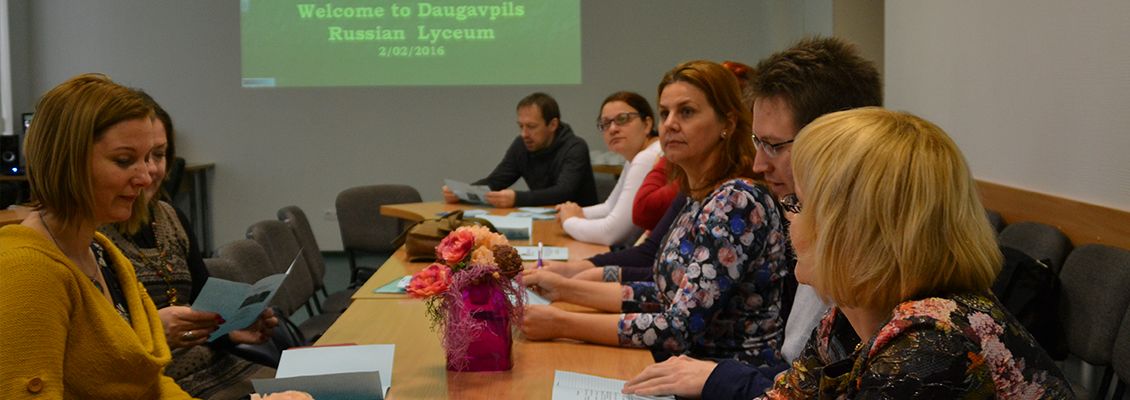
Project partners evaluated the work done so far. They discussed and analysed the first version of the resources on CLIL at primary level, as well as a partial evaluation and piloting of the Modular e-training course on CLIL.
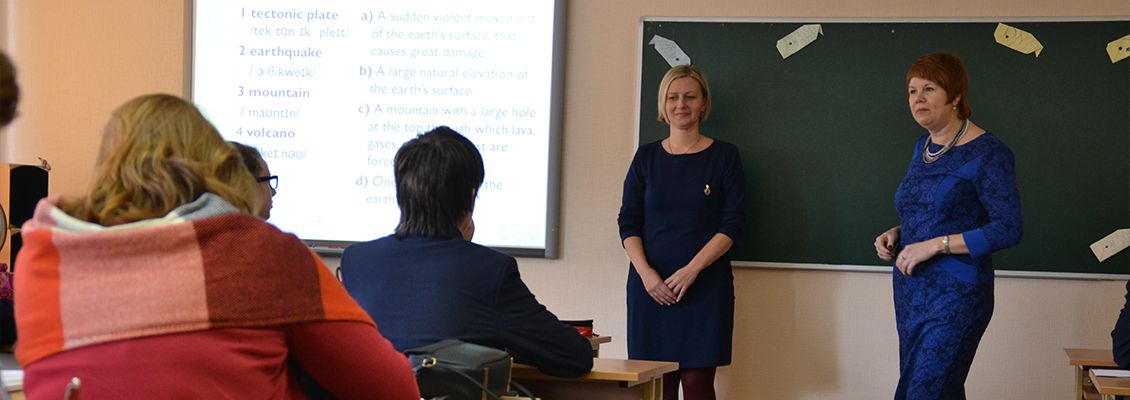
The partners took place at several Latvian schools in order to observe what their current practice is for further improvement plans. We all discussed with local teachers the application of CLIL methodology into teaching process in particular schools we visited.
Partners with none or less CLIL experiences attended the first pilot training course with expert on CLIL. The course was focused on implementation of CLIL in primary education. Participants provided their feedbacks on the training which will be a part of comparative analyses.
Regarding dissemination, the partners planned what disseminating events and actions they wanted to do, and discussed the website and social media presence.
Jana Luprichová - the coordinator
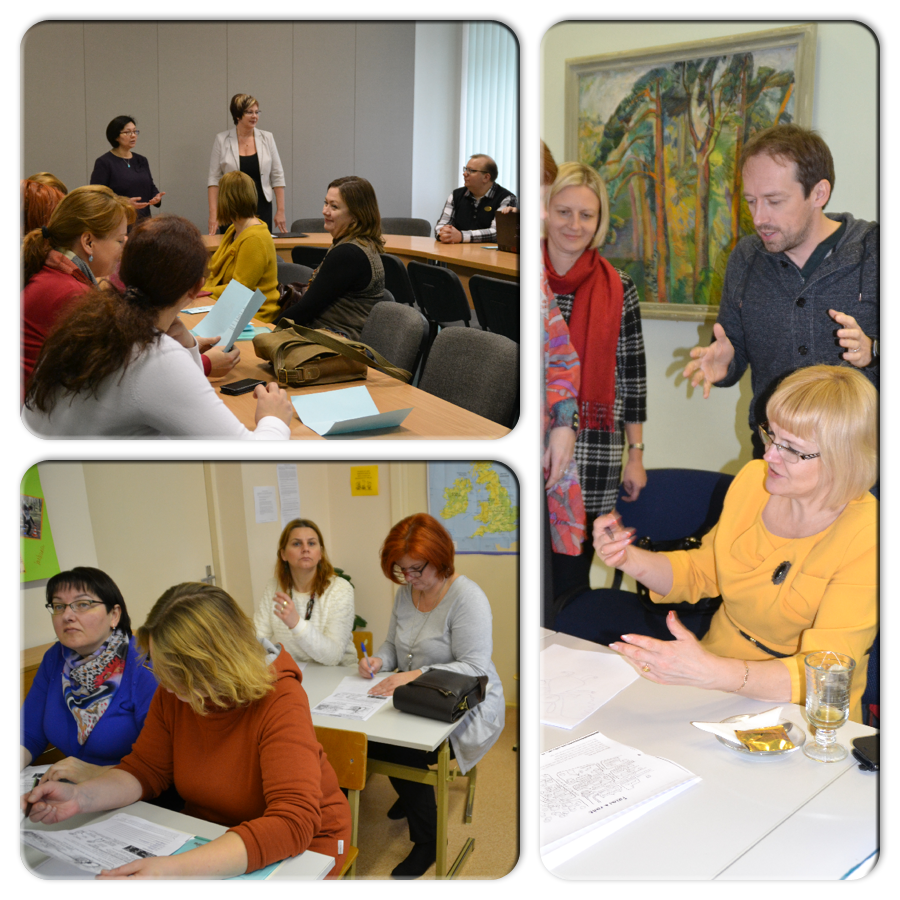
Meeting in Caserta, Italy
Project meeting in Caserta, Italy
9 - 13 May 2016
Transnational meeting was finally held in Caserta in Italy. It was preceded by a visit of the coordinator in Caserta in April 2016, just to inform the new partner about the project objectives and to manage administrative and organisational tasks.
During the first day of the meeting the project team met regional stakeholders from the public administration, several levels of education (school, adult and higher education) and parents of the local school. During the meeting, several presentations were given in order to inform all present about a good CLIL practice, as well as to inform about the objectives of the project.
Project partners evaluated every thing done so far. The resources on CLIL at primary level were evaluated in order to upload them onto the website. The first version of the resources on CLIL at secondary level were discussed and analyzed. All partners did a final evaluation and piloting of the Modular e-training course on CLIL.
Observations took place at Liceo Statale Alessandro Manzoni Caserta in order to share good CLIL practices.
Partners with none or less CLIL experiences attended the second pilot training course with expert on CLIL. The course was focused on implementation of CLIL in secondary education. Participants provided their feedbacks on the training which will be a part of comparative analyses.
Jana Luprichová - the coordinator
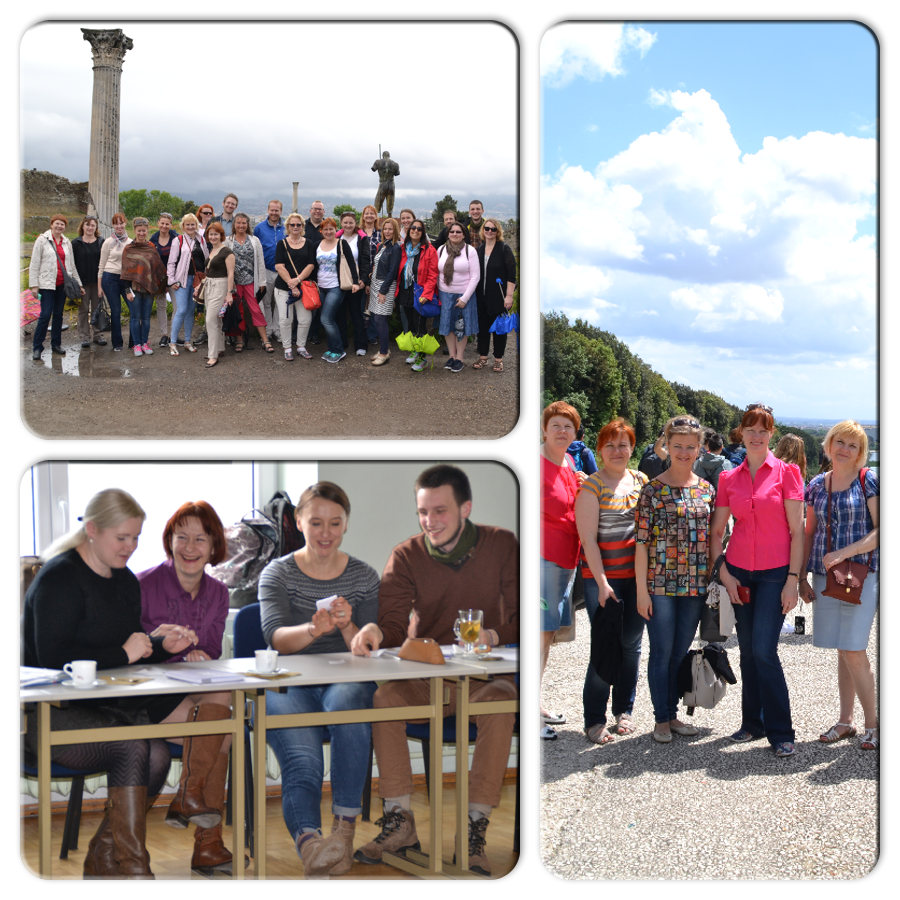
Meeting in Alingsås, Sweden
Project meeting in Alingsås, Sweden
24 – 28 October 2016
The transnational meeting in Sweden was aimed at implementing the feedback comments into the Modular e-training course on CLIL which was a qualitative indicator within the project.
During the first day the project team met the local politicians from the School Board and the Head of the Management and informed them on good CLIL practice experienced in the project so far. In the afternoon the project team members get acquainted with the premises of the Alströmergymnasiet.
There were observations of several lessons delivered by trained teachers done at Alströmergymnasiet to obtain data for comparative analysis. The partners observed three lessons – in Linguistics, Social Studies and Medicine.
Further on, the project partners evaluated and analysed the resources on secondary CLIL in order to upload them on the website and agreed on follow-on steps.
Finally, the project team members also visited University of Göteborg, where Eva Olsson intorduced her experience in CLISS project which was focused on CLIL in Swedish schools. The presentation was complemented by fruitful dicussion, and the project coordinator invited Eva Olsson to Slovak International Conference in 2017.
Meeting in Vilnius, Lithuania
Project meeting in Vilnius, Lithuania
7 – 10 February 2017
The transnational project meeting focused on the objective to have prepared, checked and discussed the website containing at least 40 resources on CLIL at primary and secondary levels.
The first day of the project team members were welcomed by the new management of the school and observed and discussed the lesson delivered by a trained teacher – Music lesson in French. The next day the partners observed two other lessons – English lesson and Mathematics. The partial data for comparative analysis were obtained.
The partner countries delivered presentations of recordings of good CLIL practice. They also evaluated and discussed the resources for primary and secondary CLIL prepared and uploaded on EduCLIL website so that CLIL resources are accomplished and the European educational agents are able to have free access to EduCLIL website.
In the end of the meeting, the project team members discussed the preparation of the final transnational meeting and conference to be held in Slovakia, the keynote speakers for the conference in particular.
 Final meeting in Trnava and Nitra, Slovakia
Final project meeting in Trnava and Nitra, Slovakia
26 – 28 April 2017
The final transnational meeting was held by both Slovak project partners in two cities – Trnava and Nitra. The main focus was on final evaluation on activities carried out and embraced by the multiplier event – the International Conference 2017 on good CLIL practice.
The partners first visited the premises of the project partner – Slovak University of Technology, Faculty of Materials Science and Technology in Trnava where they were welcomed by the Vice-Dean and introduced to the study programmes and main project activities followed by a short excursion to the Centre of Excellence.
Then the project teams went to Nitra, where the final common meeting was held. The partners evaluated the activities executed including the resources on the website. The coordinator made the partners familiar with the partial information on the comparative analysis on CLIL implementation being carried out.
The following two days the International Conference 2017 on CLIL took place in the premises of the Constantine the Philosopher University, Faculty of Education in Nitra. The opening speech was delivered by the Vice-Rector and followed by keynote speakers – Eva Olsson (University of Götegurg, Sweden), Asta Statkeviciene (University of Vilnius, Lithuania), Ilona Ustinova (Daugavpils City Education Department, Latvia) all on good CLIL practice in their countries, and Jana Luprichová, the project coordinator (Constantine the Philosopher University, Slovakia), who introduced the conference attendants to the activities and results of the project. In the afternoon sessions there were presentations on primary and secondary CLIL practice.
The next day the workshop by a respected CLIL capacity Phil Ball (UK) titled Using the 3 Dimensions of Content to Structure a CLIL Sequence was delivered, followed by another workshop titled How to Design and Adapt Suitable Material for CLIL Lessons – use of simple and open web tools for e-CLIL delivered by an experienced CLIL teacher Emma Abate (Italy).
The partners agreed on the deadlines of final accomplishment of the online CLIL courses as well as of the other project outcomes so that the comparative analysis of obtained data on CLIL implementation for the final report could be carried out, and the EduCLIL website to European educational agents interested in good CLIL practice could be utilised.

- Details
- Written by Lukas
This strategic partnership allows us working with people coming from diverse cultural, historical, educational, and social context, on common CLIL issues. We will prepare innovative digital resources for European CLIL teachers used by real CLIL teachers of project partner countries.
- Constantine the Philosopher University, Faculty of Education in Nitra, Slovakia
- Slovak University of Technology in Bratislava, Slovakia (Faculty of Materials Science and Technology in Trnava)
- Daugavpils pilsetas Izglitibas parvalde in Daugavpils, Latvia
- Vilnius Jonas Basanavicius progimnazija in Vilnius, Lithuania
- Alströmergymnasiet, in Alingsås, Sweden
- Liceo Statale Alessandro Manzoni in Caserta, Italy
Roles of partners in the project
This project is built on international collaboration which will result in increased flow of knowledge and good CLIL practice among education institutions, represented by Italian and Latvian partners, research organizations, represented by both Slovak partners and the representatives of schools in Lithuania and Sweden. Lithuanian and Swedish partners will aim at learning ways to implement good practices of CLIL in the classroom , while Italian and Latvian partners will contribute by sharing a good CLIL practice. Slovak partners will focus on a research part of the project.
The partnership also provides peer learning for participants by sharing the CLIL practice. This can lead to a common CLIL concept for European schools which can enable students to be equipped with the right skills for employment and thus become more competitive in the European labour market.
Constantine the Philosopher University, Faculty of Education in Nitra
Constantine the Philosopher University in Nitra
The Faculty of Education
participated in national projects focused on foreign language teaching in cooperation with the National Institute for Education, a directly-managed organization of the Ministry of Education, Science, Research and Sports of the Slovak Republic (here in after MSVVS), within the experimental verification of the project "Didactic effectiveness of CLIL method in primary schools in Foreign Language Teaching within Slovakia". The outcomes show the positive impact on learners and at the same time, it proves that CLIL learning environment does not have any harmful effects on learning content, even in some cases; CLIL students outperformed their non-CLIL counterparts.
The MSVVS has recently approved two programmes of further education for the university dealing with the implementation of CLIL to education ("Implementation of Content and Language Integrated Learning into Education in both Primary and Secondary Schools"). Both institutions actively participate in the project. The main objective of the programmes is to provide trainings and workshops for teachers who are planning to apply CLIL within the non-language subjects in Slovakia.
People
Jana Luprichová (contact here)
PaedDr. Jana Luprichová, PhD. works at Faculty of Education, Constantine the Philosopher University in Nitra, at Lifelong Learning Centre. She is responsible for study programmes of further education for teachers, coordinator of pre-service teachers’ education, guarantor of CLIL programmes for teachers in primary and secondary schools, coordinator of the project Erasmus+ focused on implementation of CLIL to schools.
Contact
PF UKF, Dražovská 4, 949 74 Nitra, Slovakia
This email address is being protected from spambots. You need JavaScript enabled to view it.
Elena Kováčiková (contact here)
Elena Kovacikova (MA, Music and ELT; PhD, ELT Methodology – Constantine the Philosopher University in Nitra) has officially taught general English to very young learners, young learners, teenagers and adults, and English for specific purposes. Since 2012, she has been an English methodology teacher at the Department of Language Pedagogy and Intercultural Studies at the Faculty of Education in Nitra. Her field of interest is and has always been didactics and she constantly feels the need to broaden her horizons in teaching different learners. She has co-authored English textbooks for pupils Cool English School (for 3rd and 4th graders) published by Taktik.
Doctoral Thesis Modernization of teaching English through CLIL methodology supervised by prof. Pokrivčáková deals with implementation of CLIL into tertiary level of education, more specifically a non-philological university.
Contact
Constantine the Philosopher University in Nitra Faculty of Education Department of Language Pedagogy and Intercultural Studies
Dražovská cesta 4, 949 74 Nitra, Slovakia
e-mail: This email address is being protected from spambots. You need JavaScript enabled to view it.
Slovak University of Technology in Bratislava, Faculty of Materials Science and Technology in Trnava
Slovak University of Technology in Bratislava, Faculty of Materials Science and Technology in Trnava
Slovak University of Technology
Faculty of Materials Science and Technology
Slovak University of Technology in Bratislava (hereinafter referred to as "STU") is a modern educational and scientific institution. Since its foundation in the year 1937 more than 145.000 students have graduated. In average, 17.000 students study at the STU every year. At present, the STU consists of seven faculties based in Bratislava and Trnava. All the faculties provide a study in accredited study programmes within the complex system of a bachelor, master and PhD. study. Faculties realise credit system compatible with the European credit transfer system enabling mutual mobility of students within European Union member countries and a larger European space. In the area of scientific and research activities the STU successfully joints European Union programmes. STU is a public university and offers education mainly in technical, technological, technical-economical, technical-information and technical-artistic fields of study using the modern methods of education, laboratories and practical training. It is aimed at the study branches with stable opportunities of students' employment at the labour market. International cooperation is a significant area based on interactive contact with educational as well as scientific-research institutions of the countries all over the world. First of all, it is focused on solution of the joint projects within the EU framework and other international programmes, mobility of students, teaching staff and researchers. STU system of education is connected with the prestigious partner universities in the framework of international programmes, especially Erasmus+. Today, one of the main tasks of STU is the active policy in the area of foreign students' recruitment. The number of foreign students at individual STU faculties has been raised several times during the past years. STU creates for the students high-quality conditions for the study and for active use of free time. STU keeps long-term relations with foreign universities and institutions, and systematically reach new cooperation agreements. This way, STU create conditions for cooperation between faculties, departments and individuals.
As of today, STU have singed 433 agreements on international cooperation with 203 institutions from 49 countries from around the world.
The Faculty of Materials Science and Technology in Trnava hereinafter reffered to as „MTF“ was established on 1 January 1986 by decree of the Czechoslovak Government. It was originally named the Faculty of Machine Technology. However, the history of this Faculty is much older than the date of its establishment shows. Its history is closely connected with the technological branches of machine construction, the foundations of which were laid at the Department of Mechanical and Electrical Engineering in the forties. Following the require- ment for diversification of all forms of study and graduate profiles, the Faculty provides Bachelor's degree courses (Bc.), Master's degree courses (Ing.), and postgraduate doctoral (PhD) degree courses. In the present time, about 4000 students study at the Faculty in various courses.
People
The MTF project team consists of 3 researchers and 1 technician. They are involved in e-modular training preparation, building web platform and in training project activities.
Mgr. Ľudmila Hurajová, PhD.
STU MTF coordinator of the project. She is involved in preparation of e-modular CLIL training course, collecting research data and dissemination activities within the project. She works as a Senior Assistant at the Department of Foreing Languages and Humanities at STU MTF in Trnava. She has studied CLIL approach from teacher point of view. She has dealt with CLIL Teacher Competences. She is a co-author and a co-garantor of training programmes for teachers on Primary and Secondary Level of education who would like to implement CLIL into education process in Slovakia.
Mgr. Gabriela Chmelíková, PhD.
She is an ESP expert involved in obtaining research data, coordinating meetings and dissemination activities within the project. She works as a Head of the Department of Languages and Humanities at STU MTF in Trnava. She has been organizing Student Research Conference for more than 10 years. She deals with ESP, innovation in education and development of students language competences. She is a vice-president of Slovak commitee of CASAJC (Association of English teachers at non-philological universities).
doc. Ing. Martin Kusý, PhD.
He works as an Associate Professor at the Institute of Materials Science. He is involved in obtaining research data, in trainings and dissemination activities within the project. He is involved in the research and development of ferrous and non-ferrous based alloys. He lectures, leads seminars and lab exercises on Modern experimental techniques in Material Analysis and Advanced materials.
Ing. Lukáš Špendla, PhD.
He works as a Senior Assistant at the Institute of Applied Informatics, Automation and Mechatronics. He is involved in building the project web platform and e- environment for e-modular training(educli.eu). He studies and deals with designing and testing information and control systems, implementing web applications and object-oriented programming in various programming languages.
Daugavpils pilsetas Izglitibas parvalde in Daugavpils
Daugavpils pilsetas Izglitibas parvalde in Daugavpils
Daugavpils City Education Department (ED) is Daugavpils city (Latvia) municipal institution, which coordinates education in the local community (about 90 000 people population). Education Department (with the staff of 76 people) realizes municipality educational functions and all questions connected with it in the second largest city in Latvia. There are 13 secondary schools, 3 basic schools and 2 special education institutions, 29 pre-school educational establishments. The institution ensures different kinds of education availability in Daugavpils, including free time activities and inclusive education (for young people with special needs), lifelong learning education for adults. Education Department has got a successful experience in international projects administration and realization (NordPlus, Grundtvig, Leonardo da Vinci, CEDEFOP Study visits, etc.).
The staff of Education Department is highly qualified specialists with different experience in their working field (education methodology, accountancy, social care, bilingual education, CLIL, children's rights defence, etc.). Employees working experience, participation in further education courses and certification, international experience are the basis for a successful team work.
Daugavpils is a multinational city that has got some schools with the Latvian language instruction, some schools with the Russian language instruction and one school with the Polish language instruction. There are several schools where 2 or 3 foreign languages are taught. Daugavpils schools experience in CLIL Project started due to the British Council in 2005. Eight Daugavpils secondary schools were involved in the project. Our trainer was Keith Kelly from the UK. Four teacher-training courses were held. 60-hour language courses for content teachers were organized due to the British Council and Daugavpils City Education Department. We are the first city in Latvia where CLIL lessons (mathematics, biology, chemistry, physics, natural science, social science, history, art, sport, etc.) are taught in the most of the city schools and they are financed by the city Council (there is no financial support from the state to CLIL all over the country, only moral support is given). This school year 12 schools are involved in CLIL programme, 13 subjects are taught, 44 teachers work in CLIL, and 602 students attend CLIL lessons. ED Bilingual questions methodologist and English language methodologist coordinate CLIL work in the city and offer different professional support to CLIL teachers organising seminars, courses, consultations, workshops and methodological help for CLIL teachers.
People
A person in charge of a project manager is Ms. Evelina Balode.
Vilnius Jonas Basanavicius progimnazija in Vilnius
Vilnius Jonas Basanavičius progimnazija
The school started its work in 1975. Since 1st September 2011 it has been named Jonas Basanavičius pre-gymnasium. Our pre-gymnasium is a modern school, open to innovation and change, where the values cherished by Jonas Basanavičius intermingle with the challenges of modern society and its unique identity is kept in the context of European culture.
Vilnius Jonas Basanavičius pre-gymnasium focuses on the values cherished by Jonas Basanavičius, Signatory of the Act of Independence of Lithuania: national identity (folklore) and the Lithuanian nation's history and language development. The school has a functioning ethnic culture museum dedicated to Jonas Basanavičius.
The school staff are energetic and creative. In the academic year 2015-2016: 65 teachers, 5 student assistance professionals. We have 908 students learning here: 452 students in classes 1-4, 656 students in classes 5-8.
In our pre-gymnasium special attention is given to the French and English language acquisition. We participate in the project EMILE class. It is about teaching one or two subjects in the French language. In the years 2015-2017 the pre-gymnasium is implementing the project ERASMUS +. This enables the use of the content and English language integrated learning (CLIL) at school. Other projects: Book Exchange Shelf , Interschool project, Year round , Green Windowsill, The Deep Earth Layers, Bernardinai Garden Flower Bed, Let‘s Keep Lithuania Clean, Grove to Maironis, Fruit Program, Milk for Children, Christmas readings, Green week.
People
Head teacher Gražina Šoblickienė
She is mathematics teacher. Since 1st September 2011 she became Head teacher.
Contact
27 S. Konarskio Street, Vilnius, LT-03123, Lithuania
e-mail: This email address is being protected from spambots. You need JavaScript enabled to view it.
Asta Pleckevičienė
Asta Pleckevičienė- English language teacher. She teaches English to very young learners, young learners , teenagers. She was coordinator of few Comenius school projects, European Studies Programme (Funded by Departments of Education in Ireland and Northern Ireland).
Contact
27 S. Konarskio Street, Vilnius, LT-03123, Lithuania
e-mail: This email address is being protected from spambots. You need JavaScript enabled to view it.
Alströmergymnasiet, in Alingsås
Alströmergymnasiet, in Alingsås
The Alströmer Gymnasium is located in the city Alingsås (26,000 inhabitants), 50 km northeast of Göteborg in western Sweden, near the west coast. The school has got 1,200 students, aged (15) 16 - 19 (20), divided into twelve programs. The programs provide a broad general education and eligibility to study at the university or at post-secondary level. All of the national programs include the eight core subjects: English, Arts, P.Eand Health, Mathematics, General Science, Social Studies, Swedish (or Swedish as a Second Language). Alströmer High School is the only Upper Secondary School in the town so we have a great mix of students from different backgrounds and opportunities.
At school we are working on problems with the newly arrived unaccompanied refugee children and how they integrate into school and society in a positive way. For young people who have lived in Sweden only for a short time, there is a IVIK class (introductory course for immigrant youth). We focus on the problems of integration of both immigrants and Swedes. It is important to integrate young people from different countries. It is one of the reasons why we think this project of European cooperation is so important. It will make our students understand different nationalities better.
At school we work hard to get all students in education and we make many efforts to help students with special needs. Since August 2010, the school has also integrated Special Upper Secondary school with students with different kinds of handicap, both physical and mental. This is also part of an attempt to increase students' attention on the differences between people and that differences can enrich us.
Since Sweden is in a recession, there's rise in unemployment. We will focus on the growing unemployment in the area and how it affects students at the school. Youth unemployment is 20-25% so we want to prepare our students to find employment more easily after their studies. Many are forced to travel to Göteborg for work especially now when unemployment is rising.
The staff at the school are highly qualified specialists with many different subjects like English, native language, social studies, history, physics, mathematics, Spanish, Italian, Russian, German, French, Latin, media, sociology, nursing knowledge, power, construction, chemistry, bilingual education and many more. At the school there are about 150 teachers with a variety of backgrounds, education, and others participate constantly in training courses and conferences to keep up to date with all the news. The school has about 60 student teachers as part reads on universtietet their subjects and then train on education in schools with qualified tutors from the school. This means that we have an ongoing discussion of pedagogy, teaching, students and subjects. Previously we had bilingual instruction in subjects such as social studies, history, geography and partly economics in English, right now we have no such courses but there are many who would like to teach bilingual again. Some of us have been trained in England to be able to teach subjects in English.
People
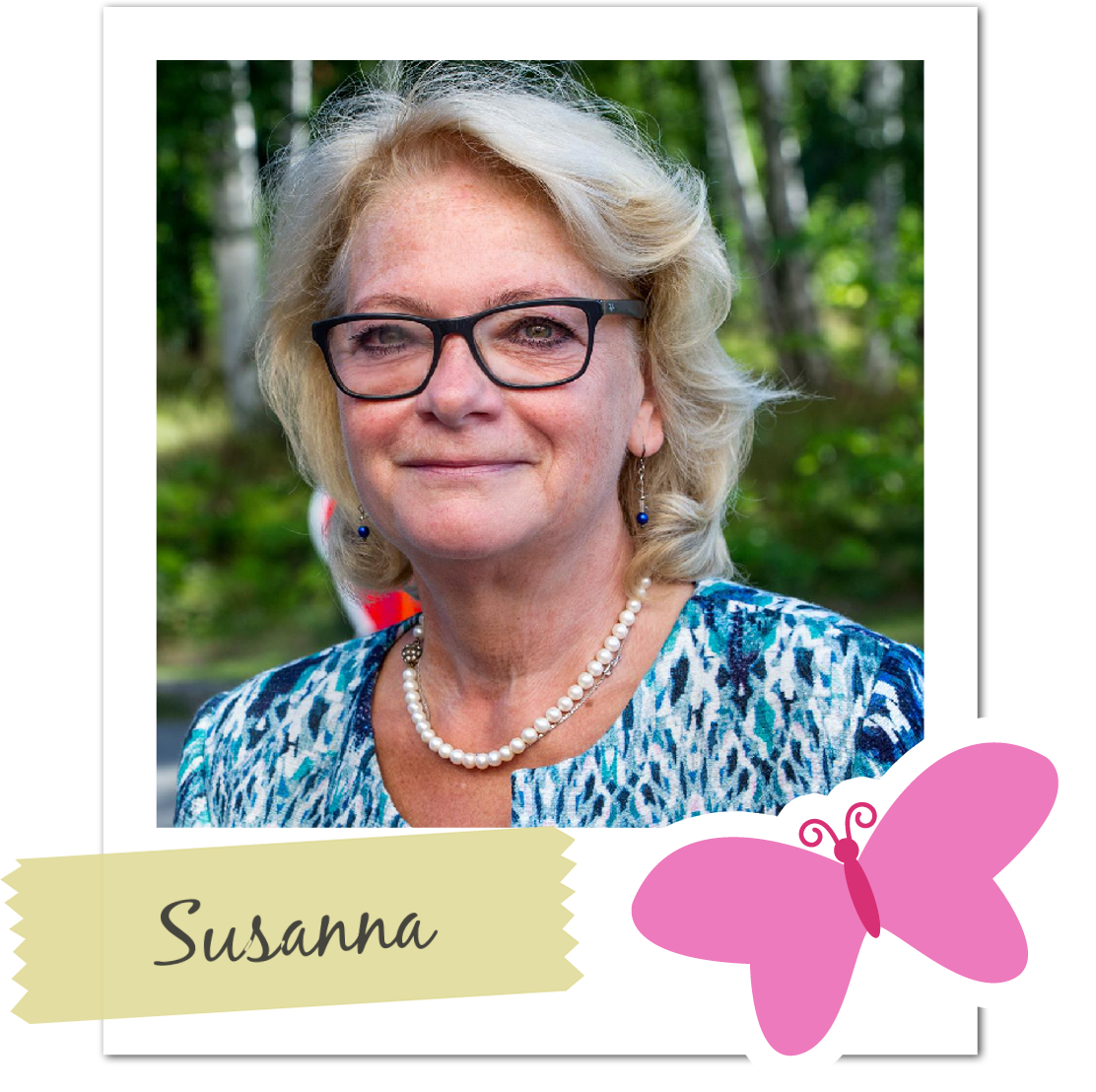
A contact person for communication about the project is Ms. Susanna Lindelöv-Frisk.
Liceo Statale Alessandro Manzoni in Caserta
Liceo Statale Alessandro Manzoni in Caserta
Liceo Statale Alessandro Manzoni is a big Secondary school directed by dott. Adele Vairo who is very careful about internationalization of educational offer of the school she heads. It is located in the south of Italy (Caserta), it has about 2000 students (aged 15-18) and 200 teachers .
It offers 6 different curricula:
Liceo (ginnasio) Classico Cambridge
Liceo scientifico Cambridge
Liceo scientifico dello Sport
Liceo Linguistico
Liceo delle scienze Umane
Liceo Economico sociale
Liceo Classico of Comunication (with an Artistic Laboratory of Diction and Orthoepy, the so-called "public speaking", and focus on classic drama).
The International Cambridge Liceo scientifico and classico both focus on bilingual teaching (IB Diploma)
Liceo Manzoni also offers the ESABAC course: students have lessons in bilingual approach (french-italian) following the french study' programs: at the end of the course thay get both diplomas: french and italian and they also can enter in french Universities.
In 2011Liceo Manzoni was involved in a Comenius multilateral partnership with IES "Trassierra" of Córdoba and the Liceo "Rimbaud" Istres, jointed , project title: "FETES ET TRADITIONS DU SUD DE L'EUROPE"
Liceo Manzoni is winner of grant for Erasmus + KA1 staff mobility with the project " “roBOT (bilingual,open&tablet)CLASSES : for an inclusive and compensative teaching based on bilinguism and tablet" CODE ID: 2015-KA101-013780. Call 2015 .Evaluation score : 100/100.
Liceo Manzoni is also partner in a KA2 - Cooperation for Innovation and the Exchange of Good Practices
Strategic Partnerships for school education project, title: European News rooms (Call 2016).
Another project in partnership with University of Siena, called"play for inclusion", has been approved in Call 2016 Erasmus + Ka2 VET (Vocational Education Training) ISFOL.
Liceo Manzoni is training official Centre for CLIL Language certification.
For our students is possible to attend language courses to obtain Cambridge and Trinity Certifications for English, Cervantes certificates for Spanish language, Goethe Certficates for german and DELF and DALF for french.
Manzoni Liceo colaborates with Università L'Orientale - Napoli for CLIL metodology Master: prof. Emma Abbate, teacher of Geography in English in Cambridge Liceo, also holds CLIL workshops at University.
Prof. Arianna Quarantotto is ESABAC regional trainer, specialized in CLIL metodology ( French as L2).
Prof. Patrizia Russo is the coordinator of school CLIL team.
People
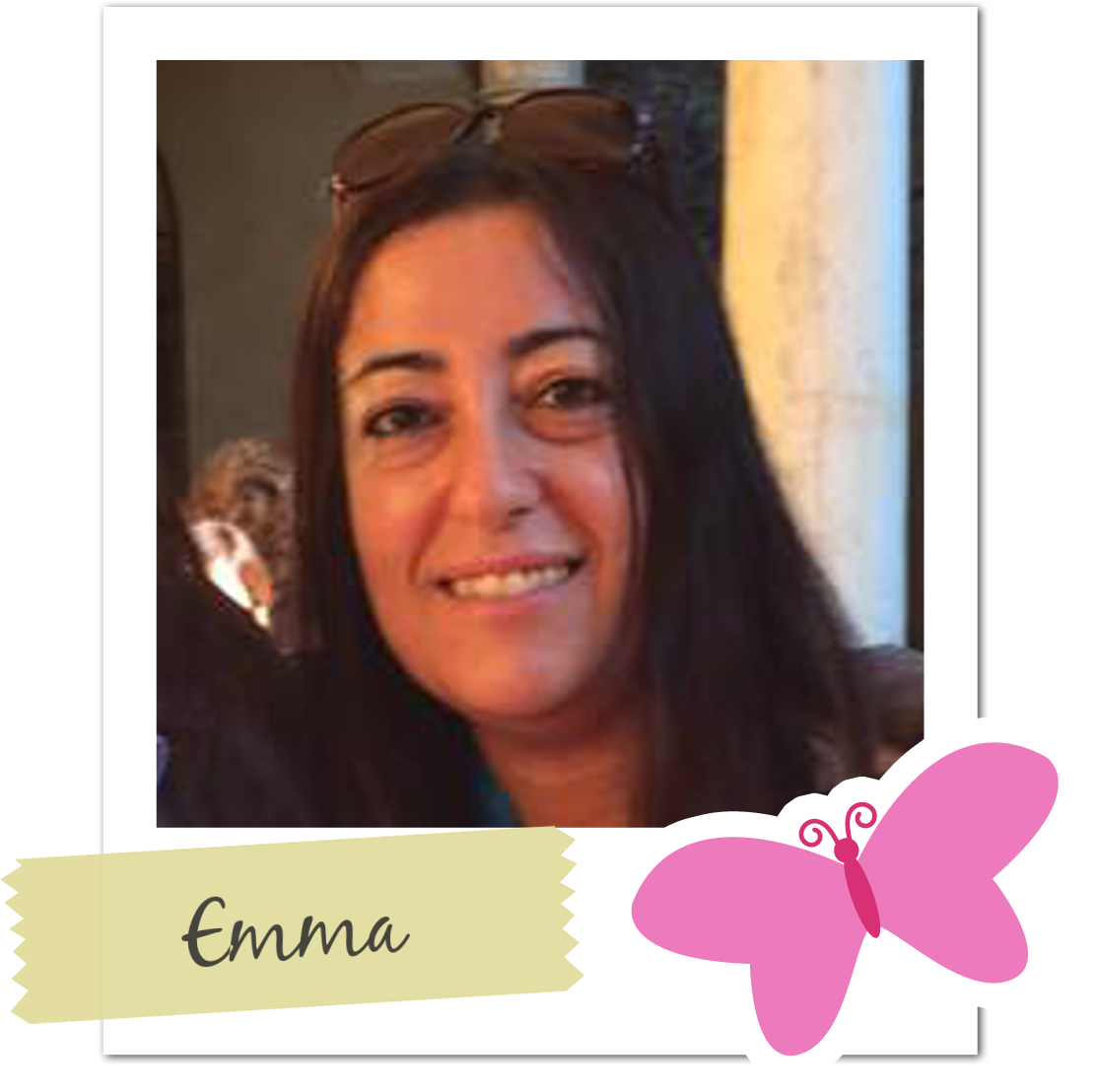
A contact person for communication about the project is Ms. Emma Abbate.
- Details
- Written by Lukas
Content and Language Integrated Learning (CLIL) – a widely discussed term in teaching and learning languages is an umbrella term for teaching content of subjects at schools through the medium of a foreign language with a double effect:
- Gaining knowledge in the subject,
- developing foreign language competences and skills ( acquisition of language systems, developing language skills).
CLIL has been nowadays implemented in elementary, secondary and tertiary level of education in some European countries. There are different types of CLIL implementation as well as different forms of CLIL performed at schooling institutions. However, CLIL implementation brings up plenty of questions relating to the following issues:
- What is a good practice of CLIL?
- Where and how can it be implemented?
- Which schools/institutions are suitable for CLIL?
- What does a CLIL teacher need to know before starting CLIL activities or lessons?
- Which subjects are possible to be taught in CLIL?
- How to assess CLIL lessons?
- How is CLIL supported on institutional and administrative levels in different European countries?
This project was created based on the need of exchanging a good CLIL practice among European countries with the aim to discuss and solve burning issues on CLIL implementation in Primary and Secondary schools.
Duration of the project: September 2015 – August 2017
Project Objectives
- Setting up essential components of good CLIL practice in the classroom based on face-to-face observations in the partner countries.
- Preparation of a Modular e-training course for European CLIL teachers.
- Providing countries with none or less CLIL experience with the essential training and learning opportunities so that they can commence implementing this approach in their schools.
- Training teachers from the project partner countries on how to implement CLIL methodology.
- Setting up an open database of methodological materials for CLIL teachers both at primary and secondary level of education.
- Collecting research data and conducting comparative analysis of CLIL practice.
- Providing universities and other public bodies dealing with educational research the results and main conclusions of this project as a possible basis for future research on the topic.
Meetings
1. Transnational meeting was held in Lithuania in October 2015
- presentation of the project objectives,
- discussing project management methodology,
- dissemination plans and agreement on what good CLIL practice should consist of
- planning on the design of web platform,
- designing a Modular e-training course on CLIL, CLIL resources and video recordings,
- participation in the International conference "Focus on CLIL - Lithuania 2015".
2. Transnational meeting held in Latvia in February 2016
- the evaluation of the work done so far,
- the first version of the resources on CLIL at primary level will be discussed and analysed,
- a partial evaluation and piloting of the Modular e-training course on CLIL,
- observations of classes at Latvian schools in order to observe what their current practice is for further improvement plans,
- experts with an extensive experience working with teachers on CLIL will provide the first pilot training course for participants.
3. Transnational meeting held in Italy in May 2016
- evaluation of work done so far,
- the resources on CLIL at primary level will be evaluated in order to upload them onto the website,
- the first version of the resources on CLIL at secondary level will be discussed and analyzed,
- a final evaluation and piloting of the Modular e-training course on CLIL,
- observations of classes at Basque schools in order to share good CLIL practices,
- experts with an extensive experience working with teachers on CLIL will provide the second pilot training course for participants.
4. Transnational meeting held in Sweden in October 2016
- evaluation of the activities done so far,
- implementation of feedback comments on the Modular e-training course on CLIL,
- the resources on CLIL at secondary level will be evaluated in order to upload them on the website,
- observations at Swedish school, in classrooms of participants of the Training/learning activities based on experience from previous observations and training activities.
5. Transnational meeting held in Lithuania in February 2017
- evaluation of the activities done so far,
- european educational agents will have free access to website containing at least 40 resources on CLIL at primary and secondary levels,
- observation at Lithuanian schools in classrooms of the participants of Training/learning activities based on experience from previous observations and training activities,
- presentation of recordings of good CLIL practices carried out by partner countries.
6. Transnational meeting held in Slovakia in May 2017 (CLIL Conference)
What does our project bring?
As the main objective of all participating partners in this project is to share information, knowledge, experience and recent studies within foreign language teaching and CLIL the possible innovations of the project might be as follows:
- It enables individual countries to transmit their experience into a transnational level by setting up an open platform which will contain not only CLIL resources for Primary and Secondary classrooms
- It provides educational providers with challenges to innovate and reform teaching and learning programmes in order to improve their competitiveness in the transnational educational market.
Why our project?
Contribution of the project lies in:
- covering three main CLIL dimensions theoretical (trainings), practical (observations, trainings, peer-learning, CLIL practice sharing) and research (comparative analysis of CLIL practice)
- connecting and linking diverse CLIL specialists (teachers , trainers and researchers)
- having considerable and beneficial impact on CLIL teachers and education stakeholders in project partner countries
- disseminating project results both within the project (trainings, CLIL implementation in some project partner countries, open digital resources of good CLIL practice) and outside the project (open digital resources of good CLIL practice)
- and project research results for other CLIL researchers aims promotion and European stakeholders interested in CLIL application
- using synergy effect of diverse educational institutions within the project
- showing a gradual progress of CLIL knowledge and CLIL competences (systematical preparing and uploading live recordings of CLIL classes on the websites)
- transferring of good CLIL practise from teachers to teachers.
Impact
A project can potentially make a major contribution in several levels:
- to develop positive attitude towards innovative methods within a foreign language teaching,
- to implement foreign languages to non-language subjects,
- to increase levels of employability and mobility of young people
- to enhance the mobility opportunities and recognition of the competencies of young people throughout Europe in the global marketplace,
- participants will be able to offer an innovative course to their colleagues, widening their educational offering, increasing their penetration to the market and improving their expertise and reputation,
- participants will have the opportunity to apply educational/training practices based on learning outcomes, both in the level of teaching and assessment. This way they will gain experience in order to transform their education system towards practises more suitable for recognition in the EU frameworks,
- the multicultural and multilingual requirements of the project will help the partners’ organizations to develop education/training approaches suitable to address a wider audience,the main outcome of the project will be a new CLIL web platform addressing major needs of the target audiences of all the institutions involved. By including it to their curriculum they will enrich their educational offerings, addressing the local needs and expectations in an attractive and personalized wayto have the opportunity to gain expertise on CLIL settings and know other relevant practises from Italy,
- university partners will obtain important knowledge of implementing CLIL in various EU countries, in different educational levels,
- The people who will participate and be involved in the project work will enrich their professional profile adding several competencies concerning multilingual and multicultural course development and teaching along with cooperation and management in a transnational environment. Additionally, they will gain a deep understanding about the competencies recognition system of EU, which will greatly benefit themselves and their students.
Dissemination activities
Dissemination activities consist from a number of actions. These include:
- Development of project’s website (platform) and regular updates;
- Development of CLIL resources and regular updates;
- Development of CLIL class video recordings with regular updates;
- Comparative analysis of obtained data within observation of classroom in the partners countries;
- Presence in social media space to further widen the coverage of the project;
- Putting project website to CLIL timeline on a social platform and similar services to support the project during and after its implementation;
- Media coverage through interviews, articles, presentations and invited talks;
- Providing paper studies to scientific publications and proceedings with a wide audience;
- Organisation of the conference and workshop at the end of the project in order to inform the main target groups on the project’s results;
- Organisation of an event for inviting educational experts to see project results and to inform them about the potential benefits of the project.
Intellectual outcomes
Open CLIL database:
- designing a new web platform including the Modular e-training course on CLIL,
- the CLIL resources for primary and secondary levels,
- video recordings of CLIL lessons
The Modular e-training course on CLIL
- Theoretical knowledge of CLIL,
- Competences of CLIL teachers,
- Development of CLIL materials.
CLIL Conference in Nitra, 27 - 28 April 2017
- Details
- Written by Joomla
- You are here:
-
Home

-
Main articles
- Project